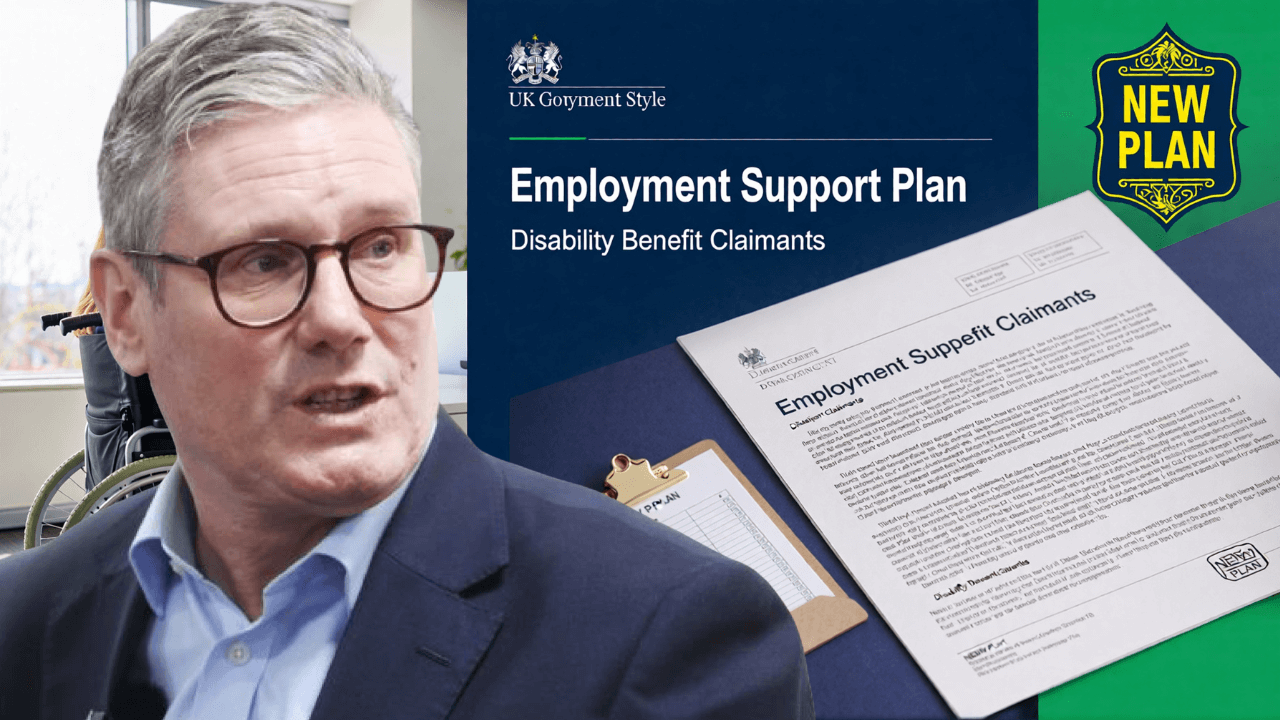
The UK welfare system continues to evolve as policymakers explore ways to support people with health conditions and disabilities while also encouraging greater participation in the workforce. Recently, the government introduced a new employment‑focused initiative aimed at helping disability benefit claimants who want to explore work opportunities.
The new approach forms part of broader welfare reform discussions and aims to create a more supportive environment for individuals who face barriers to employment. For many people receiving disability‑related benefits, work can feel difficult to access due to health limitations, lack of workplace support, or concerns about losing financial stability.
The latest employment plan is designed to address some of these challenges by providing guidance, training opportunities and tailored support for those who may wish to work or increase their working hours.
For disability benefit claimants across the UK, understanding how the new plan works and what it could mean for future support is important.
Why the new employment plan has been introduced
The new policy initiative has been introduced by the Department for Work and Pensions, which oversees the UK’s welfare system and employment support programmes.
One of the main goals behind the plan is to help people with disabilities or long‑term health conditions who want to work but face significant barriers when entering the labour market.
Many claimants receiving disability benefits have valuable skills and experience but may need additional assistance to access suitable employment opportunities.
The government has therefore focused on improving employment support services that are tailored to individual circumstances.
Rather than applying the same approach to every claimant, the new employment plan aims to provide more personalised support.
Understanding disability benefits in the UK
Several benefits are available to people living with disabilities or long‑term health conditions in the UK.
One of the most widely known is Personal Independence Payment. This benefit helps cover additional costs associated with disabilities or long‑term illnesses.
Personal Independence Payment is not linked to employment status, meaning recipients can still work while receiving the benefit.
Another key benefit that supports people with limited work capacity is Universal Credit.
Universal Credit includes elements that provide additional financial support for claimants whose health conditions affect their ability to work.
Together, these benefits help create a financial safety net for individuals dealing with health challenges.
The challenge of employment for disability claimants
Although many people with disabilities want to work, they often encounter obstacles that make employment difficult.
These challenges can include workplace accessibility issues, limited job flexibility, and employer concerns about accommodating health needs.
For individuals with fluctuating health conditions, maintaining consistent work schedules may also be challenging.
Because of these barriers, the employment rate among disabled people has historically been lower than among the general population.
Government employment programmes therefore aim to reduce these barriers and provide practical support.
What the new employment plan aims to achieve
The new DWP employment plan focuses on several key objectives.
One goal is to provide earlier and more personalised employment support for disability benefit claimants who express an interest in working.
Instead of waiting until claimants actively search for jobs, advisers may work with individuals to explore potential career paths and training opportunities.
Another goal is to help people build confidence about returning to work.
For some claimants, the biggest concern is whether employment will affect their financial stability.
The plan aims to provide clearer information about how work interacts with benefits, allowing people to make informed decisions.
Personalised employment support
One of the central features of the new plan is a more personalised approach to employment support.
Under this model, job advisers may work directly with claimants to understand their specific needs, skills and health limitations.
Instead of focusing solely on job applications, support may include training programmes, skill development and workplace adjustments.
This approach recognises that every claimant’s situation is different.
For some individuals, part‑time work or flexible roles may be more appropriate than traditional full‑time employment.
Protecting financial stability while exploring work
One of the biggest concerns disability benefit claimants often have is whether working could cause them to lose essential financial support.
Many people rely on benefits to cover basic living expenses, and the risk of losing that income can discourage individuals from trying employment opportunities.
The new employment plan aims to address this issue by providing clearer guidance about how work affects benefits.
In many cases, people can still receive benefits while working, particularly if their income remains below certain thresholds.
This reassurance may encourage more claimants to consider employment without fear of losing financial security.
Training and skills development
Another important part of the employment plan is increased access to training and skills development.
Some claimants may want to return to work but feel their skills need updating.
Training programmes can help individuals gain new qualifications or learn skills that improve job prospects.
Digital skills, remote work opportunities and flexible employment roles are also becoming more common in today’s labour market.
By focusing on training, the plan aims to open more employment opportunities for disability benefit claimants.
The role of employers
Employers also play an important role in creating inclusive workplaces.
Many organisations across the UK have introduced policies designed to support employees with disabilities.
Flexible working hours, accessible workplaces and remote work options can all make employment more achievable for people with health conditions.
Government initiatives often work alongside employers to encourage inclusive hiring practices.
This collaboration helps create more opportunities for disabled individuals seeking employment.
Balancing support with independence
The goal of employment support programmes is not to pressure individuals into work but to provide opportunities for those who wish to pursue employment.
Many people receiving disability benefits face complex health challenges that may limit their ability to work.
For these individuals, financial support remains essential.
However, for those who are able and willing to explore employment, additional guidance and support can help them move toward greater independence.
Financial support beyond employment programmes
In addition to employment initiatives, the UK welfare system continues to provide financial support for people with health conditions.
For example, older residents may receive the State Pension once they reach retirement age.
Other benefits may help individuals with housing costs, energy bills or additional living expenses.
Together, these programmes aim to provide stability while supporting individuals who wish to explore employment opportunities.
Why awareness of support programmes matters
One of the biggest challenges facing employment initiatives is awareness.
Many disability benefit claimants may not realise that employment support services are available to them.
By raising awareness of these programmes, the government hopes to ensure that more people can access the support they need.
Information about training, job opportunities and benefit rules can help claimants make informed decisions about their future.
Key points claimants should remember
The DWP has introduced a new employment support initiative.
The plan aims to help disability benefit claimants explore work opportunities.
Personalised guidance and training may be offered to participants.
Benefits may continue while individuals explore employment.
Support programmes aim to reduce barriers faced by disabled workers.
Final thoughts
The introduction of a new employment plan for disability benefit claimants reflects an ongoing effort to balance financial support with opportunities for greater independence.
For many people living with health conditions, employment may not always be possible. However, for those who wish to explore work opportunities, additional guidance and support can help make that goal more achievable.
By focusing on personalised assistance, skills development and clearer information about benefits, the new initiative aims to create a more inclusive and supportive path toward employment for disability benefit claimants across the United Kingdom.